ManufacturingSupply ChainSupplier Qualification

AI planning systems learn from past transactions, and a new tariff can make that history wrong overnight. Manufacturers can keep trade and site assumptions current by managing them as owned, versioned rules before planning runs with less human review.
MarketJoy's overview of AI in manufacturing operations for 2026 names supply chain disruption as one of the largest challenges manufacturers face this year. It points to rising transport costs, political tensions, supplier shortages and new trade laws. The same piece describes AI spreading into planning, purchasing, logistics, engineering and delivery, and it predicts production planning performed autonomously by AI, along with manufacturing processes that keep learning from their own performance. I think the connection between those two ideas deserves more attention than it gets. A planning system that learns from history is good at patterns that repeat, while a new duty rate or a revised rule of origin shows up on a specific date and changes the economics of a sourcing or site decision overnight.
A model trained on two years of landed costs has learned what it cost to source a component or ship finished goods between facilities under the rules in force during those two years. When a tariff changes, the historical data still describes the old arrangement. The model will keep recommending on that basis until enough new transactions accumulate to shift its behavior, and during that lag, purchasing, site loading and freight decisions are optimized against costs that no longer apply. The model has no way to read a trade notice. A person in the company has to translate the change into values the planner can use, such as a new duty rate, a changed country-of-origin determination, a freight surcharge, or a supplier that is no longer eligible.
In many manufacturers that translation happens informally today. A trade compliance specialist or sourcing manager reads the change, updates a spreadsheet, and tells the planners, who adjust their judgment accordingly. That path depends on a human making the final call. Once recommendations come from a system that runs with less human review, the spreadsheet and the hallway conversation stop reaching the decision, and the gap may only surface when margins on a product line start looking strange.
My position is that any assumption coming from outside the company's own transaction history should live as an explicit rule the planning system reads, kept separate from whatever the model learns. That includes duty rates, origin rules, restricted suppliers, and which facilities are qualified to make which products. Each rule needs a named owner, an effective date, a reference to the source document, and an approval record. When a value changes, the planner picks it up on the effective date, and the audit trail shows who entered it, when, and on what basis.
When Laminar built a new product development workflow for Ventura Foods, replacing a legacy RPG mainframe and manual approvals across its U.S., EU and Mexico facilities, the application included logic for choosing the manufacturing site. Logic of that kind is a set of business rules, and business rules can be owned, reviewed and changed under control in a way that a learned model's internal weights cannot. Adding AI to planning makes that discipline more important.
The friction here is real. Deciding who owns the rule table often turns into a negotiation between finance, trade compliance and supply chain, since each group touches part of the landed cost. Some of these values already sit inside an ERP in places nobody wants to modify. The rule table should let business owners update a value through an approval workflow without waiting on a software release, while IT change control still governs the structure of the table and the code that reads it.
Cost is only one constraint on where something gets made. In medical device manufacturing, moving a product to a different facility can require process validation and, depending on the product and market, regulatory filings before product from the new site can ship. Food manufacturers deal with customer approvals, allergen controls and labeling, including country-of-origin statements. A planner that sees a tariff increase and shifts volume to a cheaper site may be recommending something the business cannot yet do legally or contractually.
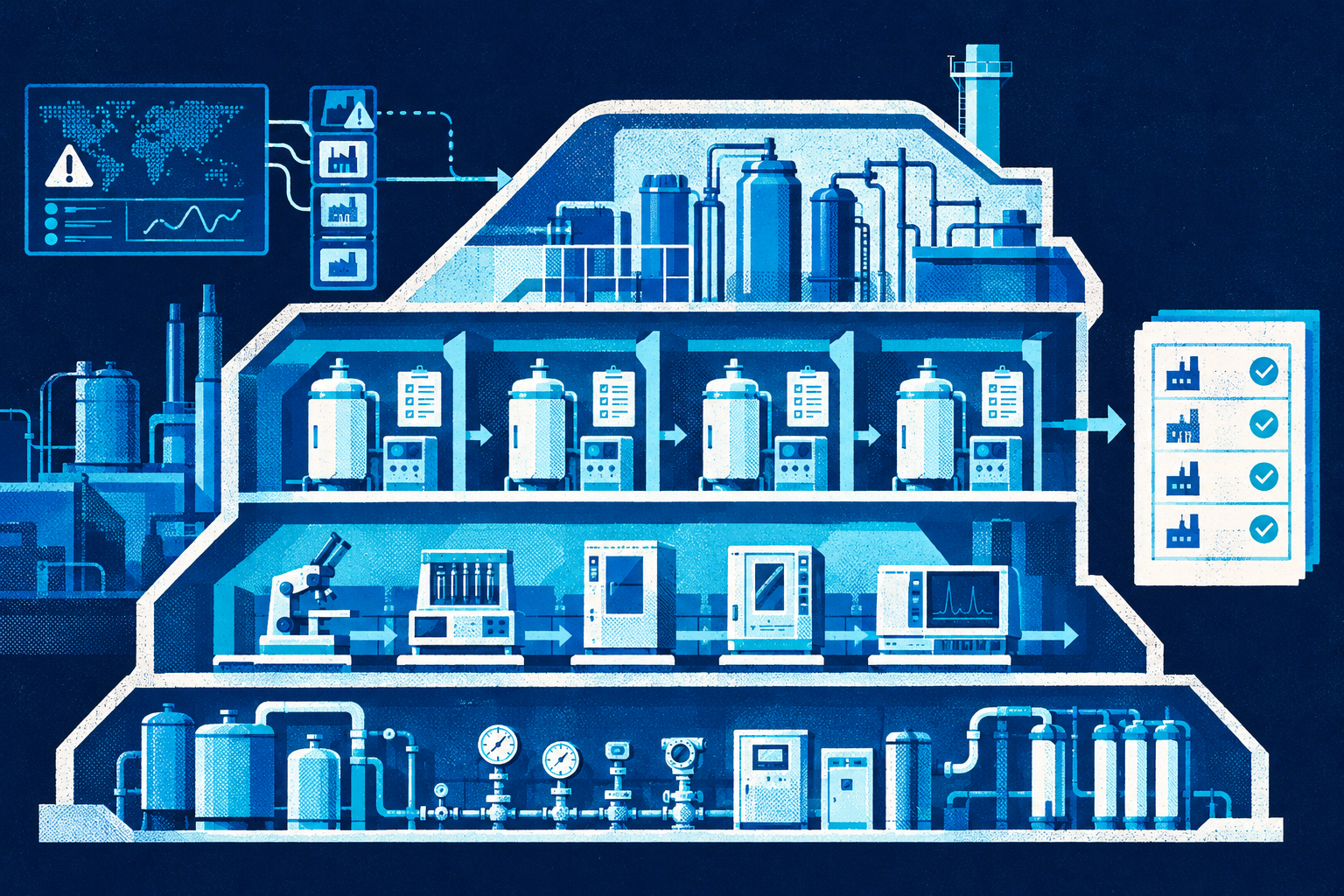
For that reason the product-by-site qualification record belongs in the rule set, owned by quality and tied to the existing change control process. If a facility is not qualified for a product and market, the planner should be unable to recommend it, whatever the cost advantage. When quality qualifies a new site, the record changes through the same approval path as any other controlled document, and the planner gains that option on the date the qualification takes effect.
These steps are worth taking before autonomous planning is switched on, and most of them pay off even if it never is.
Dealing with a similar challenge?
We work with mid-market companies in regulated industries to build AI workflows that actually hold up.
Let's TalkSean Cummings
Founder of Laminar Consulting Services. Specializes in AI workflow automation for regulated industries — medical device, financial services, and complex logistics operations.